 Whether you are all-in on the commercials, the halftime show, or every snap of the game, where you watch the Big Game can make or break the experience. Here in Central Indiana, from Fishers and Carmel to downtown Indianapolis, there is no shortage of great options, whether you want a packed sports bar or the comfort of home.
Here are five of the best ways and places to watch the Big Game this year. 1. At a Friend’s or Neighbor’s House This might be the best of both worlds. You get the energy and excitement of a crowd without fighting for a table or yelling over strangers. You are surrounded by people you actually want to watch the game with, and you still get that shared experience that makes the Big Game fun. Best part? You usually do not have to clean up the mess. 2. At Home Watching the Big Game at home never really goes out of style. No crowds. No wait times. No parking issues. Just your couch, your TV, and the people you choose to invite. You control the food, the volume, and the vibe. The tradeoff? You are the one cleaning up afterward, which is still worth it for many people who value comfort and convenience. 3. Park’s Place Pub www.parksplacepub.com If you are looking for a true local sports bar feel, Park’s Place Pub delivers. With more TVs than most places around and a game-day crowd that actually feels like a neighborhood, this Fishers favorite lives up to its slogan. “Your Friends Are Already Here.” It is a go-to spot if you want energy, familiarity, and a welcoming local atmosphere. 4. Ale Emporium www.ale-emporium.com An Indianapolis classic for a reason. Ale Emporium is known for some of the best wings and pizza in town, and game days here always bring a lively, fun crowd. If food is just as important as football for you, this one is hard to beat. Expect it to be busy. Expect it to be loud. Expect a great time. 5. Tom’s Watch Bar tomswatchbar.com/indianapolis If you want a high-energy, big-city sports experience, Tom’s Watch Bar is tough to top. Located in the heart of downtown Indianapolis, this newer spot is packed with TVs and designed specifically for watching games. It is a great option if you want to turn the Big Game into a full night out. Bonus: Hosting at Home Instead? 3 Things That Make a House Game-Day Ready If you are watching from home, a few small details can make a big difference. 1. Seating and Sightlines Make sure everyone can see the TV comfortably. Rearranging furniture, adding extra chairs, or even floor seating helps keep people engaged instead of constantly shifting around. 2. Food and Drink Flow Set up food and drinks in a way that avoids kitchen bottlenecks. A kitchen island, bar area, or side table goes a long way toward keeping the game uninterrupted. 3. Sound and Connectivity Check your streaming setup, Wi-Fi, and sound ahead of time. A quick test run or a simple sound upgrade can save a lot of stress once kickoff arrives. Just like choosing the right place to watch the Big Game, the spaces we live in matter. Comfort, layout, and gathering space play a bigger role in how we enjoy moments like this than we often realize. However you choose to watch, the Big Game is really about enjoying the experience with the people around you. Central Indiana offers plenty of great options, whether you are out on the town or staying comfortable at home. If you have questions about making your home work better for how you live or if a move is part of your plans this year, Clay Burris is always ready to help. You can reach him at [email protected].  Winter has a way of quieting things down across Hamilton County and the broader Indianapolis area. Fewer signs go up, fewer headlines circulate, and it can feel like the housing market is simply waiting for spring. But winter does not pause the market. It reveals it. This season offers homeowners a clearer view of pace, pricing, and buyer behavior without the noise of peak activity.
A Calm Market with Clear Signals As early January settles in, the local housing market is following a familiar seasonal rhythm. Home prices dipped slightly as 2025 came to a close, a typical month over month adjustment seen most winters. Homes are spending a bit more time on the market, now averaging around 45 days, which allows for a more measured pace. At the same time, overall supply remains tight at approximately 1.6 months. Taken together, these signals point to balance rather than slowdown. Homes may take longer to sell in winter, but demand has not disappeared. Buyers who remain active are focused and intentional, paying close attention to pricing, condition, and neighborhood trends. Sellers who are watching the market now gain insight into how homes perform when activity is quieter and competition is reduced. Why Winter Matters for Homeowners For homeowners, winter is less about action and more about understanding position. Without the urgency that often defines spring and summer, this season highlights what truly influences buyer decisions. Pricing sensitivity, preparation, and location stand out more clearly when the market slows just enough to observe patterns. This perspective is especially valuable for homeowners considering a move later in the year. Watching how similar homes are received now can help shape realistic expectations for the months ahead. Even for those planning to stay put, winter offers useful context. It shows how the market behaves when conditions are calm and deliberate, providing insight that carries forward into future decisions. Historical Perspective on the Winter Market Clay Burris often reminds homeowners that quieter does not mean inactive. As he explains: “Winter is often seen as a quieter season in real estate, but (for example) the local Hamilton County market is still very much active if you know what to watch. As we wrapped up 2025, home prices dipped slightly month over month, which is a very typical seasonal pattern. Days on market have increased to an average of 45 days, giving buyers more breathing room, yet overall supply remains low at just 1.6 months. That combination tells an important story. While homes may take a little longer to sell in January, demand has not disappeared. Now that the holidays are behind us, momentum usually begins to build toward spring, and serious buyers are already paying attention. For homeowners, this season is less about rushing and more about planning. Whether you are considering a move later this year or simply want to understand your position, winter is a smart time to evaluate options and decide what pace best fits your goals.” His insight captures why winter deserves attention. The market continues to communicate. The advantage comes from slowing down enough to listen. Planning at the Right Pace Winter creates space to think clearly. With fewer external pressures, homeowners can observe trends, reflect on goals, and plan at a pace that feels right. Whether that means preparing for a future move or simply staying informed, this season provides valuable perspective that supports confident decisions later in the year. Real estate decisions rarely benefit from rushing. They benefit from understanding. As winter continues, Burris Realty Group remains a steady local resource for homeowners who value clarity, context, and thoughtful guidance. Whether you are actively planning a move or simply have questions about how today’s market affects your home, having a trusted local perspective can make all the difference. If you would like to talk through what this season is revealing or ask questions specific to your situation, email Clay at [email protected] and start the conversation. 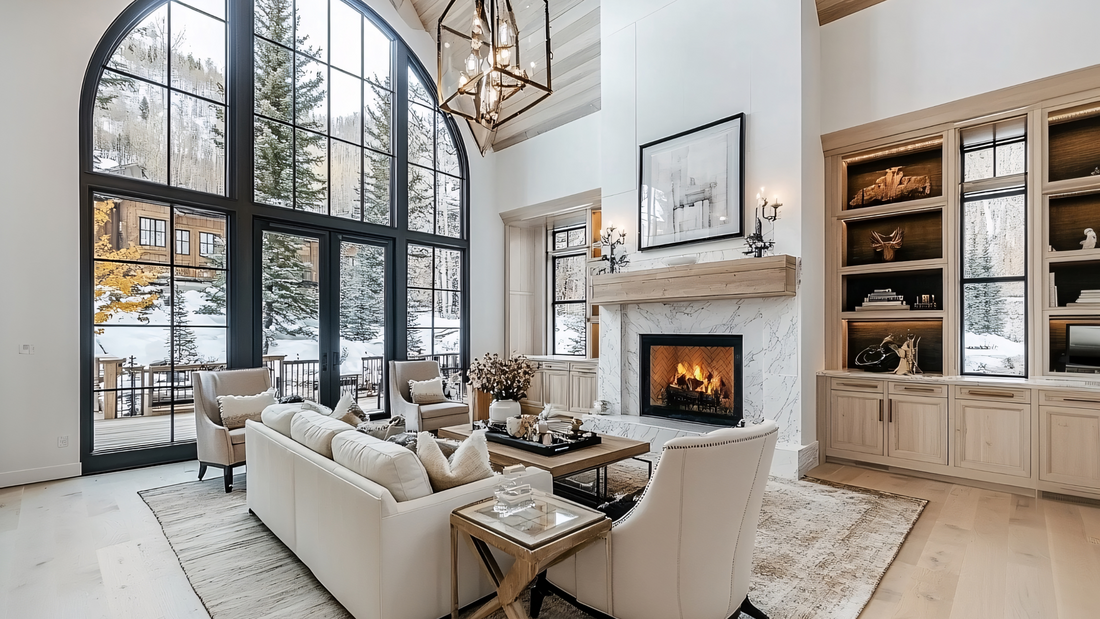 If you have ever stood near a door on a cold Indiana morning and felt a chill brush past your ankles, you are not alone. Winter has a way of revealing how well our homes really perform once temperatures drop. Especially across Hamilton County, Madison County, and the north side of Indianapolis, homeowners often notice the same quiet signals each season. A room that never quite warms up. A furnace that seems to run nonstop. A heating bill that feels higher than expected.
The reassuring truth is that a warmer, more energy efficient home rarely requires major projects. In most cases, it comes down to a handful of simple habits and small adjustments that work together to keep heat inside and costs under control. Where Homes Commonly Lose Heat in Winter Many homes throughout Hamilton County and surrounding communities lose warmth in predictable places. Doors and windows are often the first areas to check. Over time, weather stripping wears down, allowing cold air to slip inside and warm air to escape. Even small drafts can affect comfort and force heating systems to work harder. Insulation plays an equally important role in winter energy savings. Attics, basements, and crawl spaces help regulate indoor temperatures. When insulation is uneven or no longer effective, heat rises and escapes faster than it should. This often leads to colder floors and noticeable temperature differences between levels, especially in multi story homes common throughout central Indiana. Airflow matters too. HVAC systems depend on clean filters to circulate warm air efficiently. When filters are clogged or overdue for replacement, airflow is restricted and comfort suffers. Heating systems run longer, which can quietly increase utility bills during the coldest months. Simple Energy Saving Habits That Improve Comfort Winter comfort is usually built through consistency rather than one big fix. Clay often shares this perspective with homeowners across Hamilton County and Madison County: “As winter settles in, keeping your home warm without watching energy bills spike comes down to a few simple habits. Sealing drafts around doors and windows, making sure insulation is doing its job, and keeping HVAC filters clean can make a noticeable difference in both comfort and cost. A smart thermostat strategy also goes a long way, small temperature adjustments overnight or when you’re away add up over time. One of my personal favorite energy saving tips is something simple: ceiling fans set to rotate clockwise in the winter to push warm air back down into living spaces. These small, low cost upgrades often deliver the biggest payoff and help your home feel cozier all season long.” These ideas resonate because they fit into everyday life. Lowering the thermostat slightly at night. Replacing HVAC filters on schedule. Adjusting ceiling fans for winter airflow. Each step may seem small on its own, but together they create meaningful energy savings and improved comfort. Comfort That Carries You Through the Season When a home holds warmth evenly, winter feels more manageable. Fewer cold spots. Less noise from the furnace cycling on and off. More predictable heating costs. Homeowners across central Indiana often notice that once these basics are addressed, the entire season feels calmer and easier to settle into. Comfort builds confidence. It allows you to enjoy your home without constantly thinking about what might need fixing or adjusting. It turns winter from something to get through into something your home is ready for. Winter comfort is often created through small, intentional choices. Paying attention to drafts, insulation, airflow, and daily habits can help your home feel warmer, more balanced, and more efficient all season long. If questions come up as you think about your home’s comfort or winter energy costs, Clay is always happy to help you talk it through. A simple note to [email protected] can help you decide which energy saving steps will make the biggest difference for your home this winter.  The start of a new year naturally invites reflection. Many homeowners review their finances, revisit long term goals, and think about what the year ahead might hold. January is also an ideal time to check in on something that often gets overlooked once the holidays pass: your home’s value.
For homeowners across Hamilton County and the greater Indianapolis metro area, from long established neighborhoods to areas seeing new growth such as Zionsville, Whitestown, McCordsville, and Fortville, your home is more than where life happens. It is one of your largest assets. Just like an annual review of a retirement account or investment portfolio, taking time to understand your home’s current value helps you stay informed, prepared, and confident as the year unfolds. Your Home’s Value Is Not a Static Number One of the biggest misconceptions homeowners have is assuming their home’s value only matters if they are actively planning to sell. In reality, value and equity quietly influence many decisions long before a move is on the calendar. Local sales activity, buyer demand, and neighborhood level trends can impact value in ways national headlines rarely reflect. A broad market statistic may suggest one thing, while your specific street or subdivision tells a very different story. This is especially true throughout Central Indiana, where hyperlocal details often matter far more than sweeping national narratives. January offers a natural pause. The market is typically calmer, schedules are less hectic, and homeowners have space to evaluate where they stand without pressure or urgency. Online Estimates Versus Reality It is tempting to rely on online valuation tools for a quick answer. While they can provide a starting point, they are limited by design. Automated estimates cannot fully account for your home’s condition, upgrades, layout, lot placement, or how buyers experience your location. Two homes with similar square footage can perform very differently based on updates, flow, and even how natural light moves through the space. These are details buyers notice immediately but algorithms often miss. That is why reassessing value is not about chasing a number. It is about understanding context and how your home fits into today’s local landscape. Planning Ahead Without Pressure Many homeowners are not planning to move this year, but they are thinking ahead. A possible 2026 move, future downsizing, or simply wanting flexibility as life changes all benefit from clarity today. As Clay often reminds homeowners, “Checking in on your home’s value isn’t just about selling. It’s about understanding where you stand. Knowing your equity position allows you to plan with confidence, whether that means staying put, exploring options later, or simply feeling reassured about your investment." This kind of insight is empowering. It replaces guesswork with information and turns uncertainty into awareness. A Confident Way to Start the Year Reassessing your home’s value in January is not about predicting the market or making immediate decisions. It is about beginning the year grounded in knowledge. When you understand where you stand, you are better equipped to respond thoughtfully if opportunities or changes arise. Homeownership should feel steady, not stressful. A clear picture of value helps reinforce that sense of stability. If starting the year with a stronger understanding of your home’s value would bring peace of mind, a simple conversation can often provide exactly that. You can reach Clay anytime at [email protected] for a thoughtful, no pressure evaluation and a trusted local perspective. |
AuthorWe’re your neighbors in the Indianapolis area, dedicated to helping families navigate the housing market with confidence. From first-time buyers to long-time homeowners, Burris Realty Group is here to guide every step of the way! Archives
March 2026
Categories |

 RSS Feed